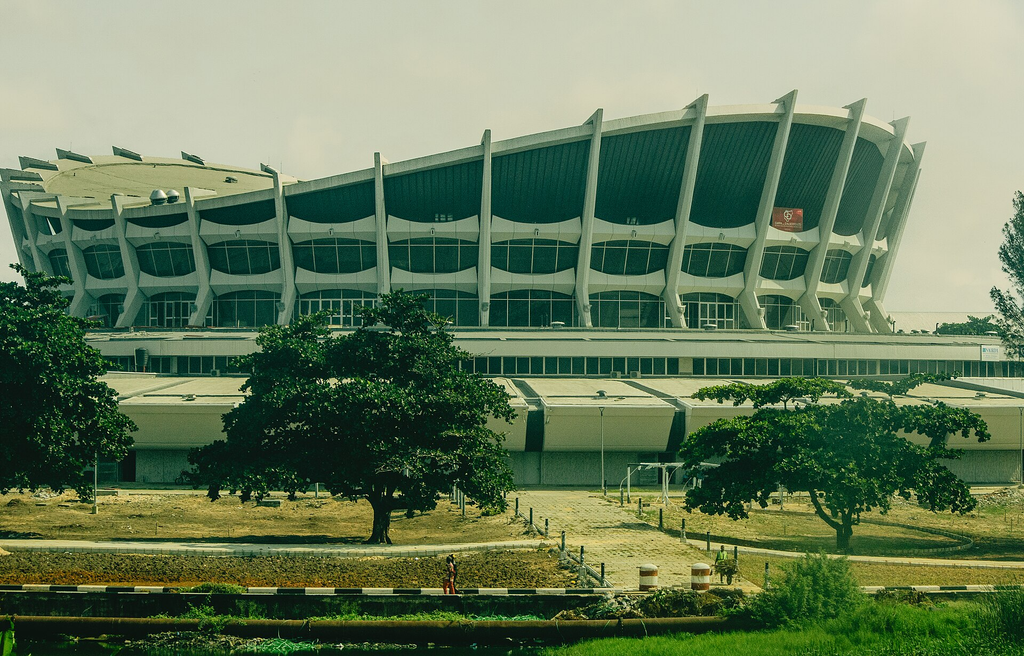
National Theatre, Lagos. Photo: Godiva Omoruyi / Wikimedia Commons, CC BY-SA 4.0.
There is a particular kind of confidence you’ll have when you have never been to Nigeria. You’ll probably know Lagos, of course, and some other Nigerian signatures, like its Afrobeats or its jollof rice. However, the real understanding of just how little you know comes with the moment you start planning your trip.
I completely understand the confusion because Nigeria is not the sort of destination that fits neatly into a one-page travel checklist. It is a huge and very diverse country, and your experience can change significantly depending on which state you visit, what time of year you go, how you move around and, honestly, how much you leave room for the unexpected.
That is why I put this Nigeria travel guide together the way I would want someone to explain it to me: practically and honestly, perfect for first-timers. Let’s dive right into it!
What is Nigeria like for a first-time visitor?
Nigeria is home to 36 states and the Federal Capital Territory, with English widely used alongside a huge range of Nigerian languages. Hausa, Yoruba, and Igbo are among the country’s major indigenous languages, and the cultural differences from one region to another are a big part of what makes travelling here interesting in the first place.
I think the easiest way to describe Nigeria is that it can be exciting and exhausting in almost equal measure. There are moments when everything feels incredibly easy. You sit down to an excellent meal, meet genuinely warm people, get into a car and start talking to a local who gives you a recommendation you would never have found online, and suddenly you are having a much more interesting day than the one you planned.
Then there are the other moments when you leave your hotel expecting a twenty-minute drive and discover that Lagos traffic has completely different plans for you. Your carefully arranged schedule starts slipping, the weather changes, your phone battery begins to drop, and you find yourself thinking, “Perhaps I should have left the hotel earlier.”
That is not necessarily a bad thing. It is simply part of understanding how to travel to Nigeria without imposing expectations from other destinations around the world onto it.
Nigeria can feel fast, social, and energetic, particularly in major cities. At the same time, it has mountains, forests, beaches, wildlife areas, historic settlements, sacred sites, and cultural landscapes. The Nigerian government’s tourism portal, for example, highlights destinations including Obudu Mountain Resort and Yankari National Park, while UNESCO lists the Osun-Osogbo Sacred Grove and Sukur Cultural Landscape among Nigeria’s World Heritage properties.
In other words, Nigeria tourism is much broader than city breaks and nightlife. You can build a holiday around food, culture, history, nature, music, festivals, business, or some combination of all of them. And that is probably the first thing I would want a first-time visitor to understand.
When is the best time to visit Nigeria?
This is one of those questions where I would be suspicious of anyone who gives you one perfect month without asking what part of Nigeria you are visiting. Broadly speaking, the country experiences wet and dry seasons, but their timing and intensity are not identical everywhere.
For many visitors, the drier months are attractive because outdoor plans and road trips can be easier to manage. Although the dry season comes with its own considerations, including hotter conditions in some areas and the possibility of harmattan, which can bring dry air, dust, and reduced visibility.
Early ember months are also worth mentioning because they are very busy travel and social periods in parts of the country, especially Lagos. If your idea of a good trip involves restaurants, nightlife, music, and events, the end-of-year period can be incredibly lively.
So, focus on what exactly you want to do in Nigeria. For a city break, you may care more about the social calendar and weather. For a road trip, you may care more about rainfall and road conditions. For wildlife or hiking, you need to consider the climate and conditions at your specific destination. For a festival, obviously, your first priority is the actual event date. One rule I would apply to this entire Nigeria travel guide: use it to plan, but verify time-sensitive details before you leave.
Where should you go in Nigeria?
There is no universally correct answer here, but there are a few destinations I would look at first when helping someone plan a first visit.
Lagos
Lagos is probably the city most international visitors associate with modern Nigeria, and for good reason. It is fast, creative, commercially important, incredibly social, and sometimes completely overwhelming.
I would not choose Lagos because I expect a peaceful little break where everything happens on schedule. I would choose it because I want to eat well, experience the city’s nightlife and music scene, visit galleries and cultural spaces, explore different neighbourhoods, and get a feel for the sheer scale and energy of the city.
For a deeper planning exercise, I would absolutely create a separate Lagos travel guide and use that to build your days neighbourhood by neighbourhood instead of treating the whole city as one compact tourist zone.
Abuja
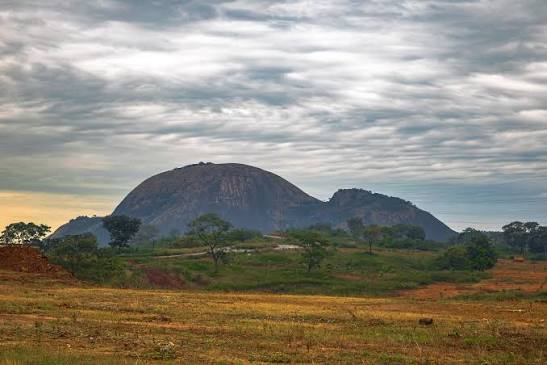
Aso Rock, Abuja. Photo: Ovinuchi Prince Ejiohuo / Wikimedia Commons, CC BY 4.0.*
Abuja feels very different from Lagos, and that is exactly why I would recommend considering both. Nigeria’s capital is more spacious and more planned in many areas, and the city is surrounded by striking rock formations and green landscapes. Zuma Rock is the obvious visual landmark, but Abuja is much more than that.
There are restaurants, parks, galleries, religious landmarks, markets, and surrounding attractions, and the city can work particularly well for travellers who want a somewhat calmer introduction to Nigeria.
I also like Abuja as a starting point for people who are nervous about visiting Nigeria for the first time because the pace can feel easier to absorb than Lagos, although, as always, your experience will depend on where you stay and what you plan to do.
You can get a more detailed version of this section in the dedicated Abuja travel guide once you are ready to plan the city properly.
Osogbo
If culture and history interest you, I would put Osogbo on the list. The Osun-Osogbo Sacred Grove is one of Nigeria’s most important heritage sites and a UNESCO World Heritage property.
It is a sacred forest associated with Osun, a Yoruba deity, and the site contains shrines, sculptures, artworks, and worship areas connected to Yoruba religious and cultural traditions. UNESCO also describes the grove as an active religious site where worship continues and where an annual festival takes place.
Abeokuta
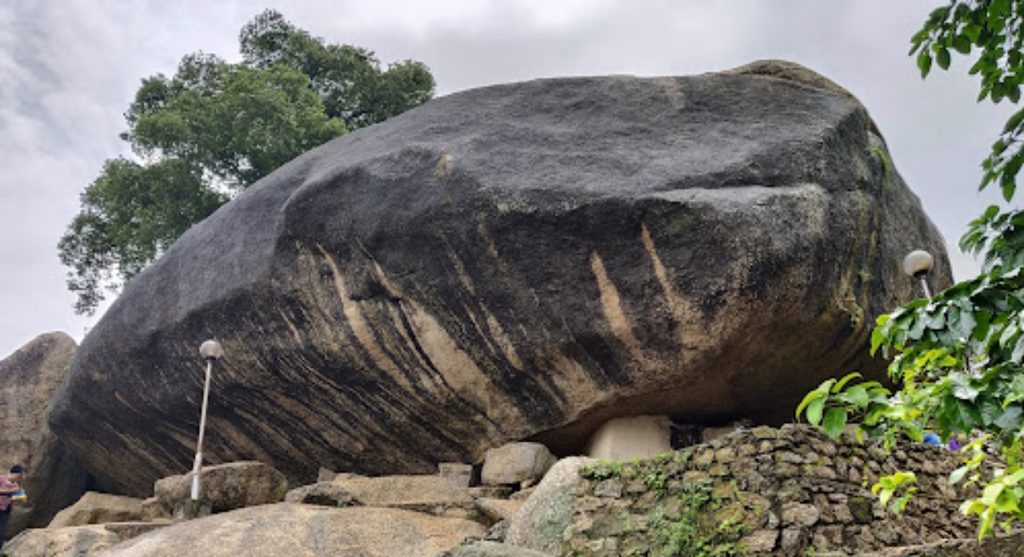
Olumo Rock, Abeokuta. Photo: Goal4294 / Wikimedia Commons, CC BY-SA 4.0.
Abeokuta makes sense for travellers who want to explore beyond Lagos without immediately committing to a much longer domestic journey. The city is known for Olumo Rock, an imposing granite outcrop with historical and cultural significance.
It can work as a day trip or as part of a wider southwestern Nigeria itinerary, depending on how slowly you like to travel. And I would recommend travelling slowly here to get the best feel of it.
Cross River and Calabar
Cross River is where I would start looking if you want your trip to feel greener and more nature-oriented. Calabar has a distinct cultural identity and a long history, while the wider state gives you access to forest and highland environments, including the Obudu area.
Yankari and northern Nigeria
Yankari National Park is another destination that gets mentioned frequently in discussions about Nigeria tourism because of its wildlife and the Wiki Warm Spring. Government tourism information describes the reserve as a major wildlife destination with species including elephants, baboons, waterbuck, monkeys, and buffalo.
There are many other spots, sites, and centres within the country, nearly uncountable, but the examples above simply rotate around all cardinal points of the country.
How do you get around Nigeria?
Transport can make or break a trip here, so I would think about it before finalizing the rest of your itinerary.
Flying between major cities
For longer distances, domestic flights can save a huge amount of time. This is especially relevant if you are trying to combine Lagos and Abuja or if you want to connect distant regions without spending most of the day on the road.
Cars and drivers
For some regional journeys, a reputable private driver can be worth the extra cost. This is particularly useful if you want to make several stops in one day or you are unfamiliar with the area. However, with a friend who knows the way around, you can try the popular danfo buses or tricycles known as keke napep, and if you are comfortable with two-wheelers, then bikes known as okada will be just fun.
Ride-hailing
App-based ride services can be useful in major cities, although coverage and availability vary. I would still use common-sense precautions: check the vehicle and driver details before getting in, avoid unnecessary displays of expensive possessions, and think carefully about your route and timing.
Trains
Nigeria has passenger rail services connecting some major cities and corridors. The Nigerian Railway Corporation currently lists passenger services, including Lagos–Ibadan, Abuja–Kaduna, and Warri–Itakpe. Check the current NRC schedule before travelling.
Money in Nigeria: cash, cards, and the naira
The official currency is the Nigerian naira, written as ₦. The Central Bank of Nigeria is the issuer of Nigeria’s legal-tender currency, and its published currency information lists banknotes in denominations ranging from ₦5 through ₦1,000.
Now for the more useful question: How should I actually handle money while I’m there? My basic approach would be
- Carry enough cash for the day rather than all your money at once.
- Keep a backup card somewhere separate from your main wallet.
- Use reputable ATMs and be cautious around busy cash points.
- Keep your bank informed of your travel plans where appropriate.
- Do not assume an old exchange-rate article still reflects current prices.
What about health before travelling to Nigeria?
This is another area where I would rather be slightly boring than slightly careless. The CDC currently identifies malaria as a significant health concern for travellers to Nigeria and lists several antimalarial medicines that may be appropriate depending on the traveller and destination. It also advises international travellers to be appropriately vaccinated, including being up to date with measles vaccination, and provides destination-specific guidance for Nigeria.
Yellow fever is another issue that should be discussed before your trip because vaccination recommendations and entry requirements can depend on your travel circumstances and itinerary.
I would therefore speak to a doctor or travel-health professional well before departure. My pre-trip health list would include:
- Checking routine vaccinations.
- Discussing malaria prevention.
- Checking whether yellow-fever vaccination or documentation applies to your trip.
- Carrying enough prescribed medication for the journey.
- Taking sensible precautions with food and water.
- Getting travel insurance.
- Understanding how you would access medical care if you became unwell.
What should you eat in Nigeria?
Please do not come to Nigeria and eat only food you already recognize. Of course, you should eat jollof rice. That would be a strange omission. But Nigerian food is much broader than jollof.
If I were building my first food list, I would look for suya, pounded yam with soup, egusi soup, pepper soup, moi moi, akara, and regional dishes that I might not have encountered before.
And this is where travelling becomes more interesting. Food changes from region to region, household to household, and restaurant to restaurant. A dish you think you have already tried can taste completely different somewhere else!
I also like the fact that food gives you an easy way into conversation. Ask what something is, where it comes from, how it is normally eaten, and whether it is spicy before taking a heroic first bite. For Nigerian cuisine, you can definitely assume the best.
Nigerian culture: what should you know?
Before visiting Nigeria, a little cultural awareness goes a long way. Nigeria is extremely diverse, and your experience in Lagos will not automatically tell you what life is like in another region. The country is home to hundreds of ethnic groups and languages.
Though its people are extremely friendly and social, visitors should respect local boundaries and customs. Ask before photographing people, dress appropriately when visiting religious or culturally sensitive places, and listen when a local guide tells you that something is off-limits. That is particularly important at places of religious or cultural significance.
The best way to experience somewhere culturally different is not to arrive believing you already understand it. Arrive curious.
Where should you stay?
I have a simple rule when choosing accommodation in a city I do not know well: I would rather have an excellent hotel in the right location than a beautiful hotel in the wrong one. That matters in Nigeria because travel time can have a huge effect on how your day feels.
In Lagos, for example, staying far away from the places you want to visit can be hectic, so note this. Then I would look at recent reviews and pay attention to practical details such as
- Whether the hotel has reliable air conditioning.
- Whether backup power is available.
- Whether Wi-Fi works consistently.
- How security is handled.
- Whether airport transfers are available.
- What payment methods are accepted.
- How easy it is to reach the places you care about.
- What recent guests say about service and cleanliness.
What should I pack for Nigeria?
Packing for Nigeria is not difficult. You will want breathable clothing suitable for the season and region, comfortable shoes, and protection from the sun. Depending on when and where you travel, rain protection can also be useful. I would pack the following:
- Comfortable, breathable clothes.
- Good walking shoes.
- Sunscreen.
- Sunglasses or another form of sun protection.
- Insect repellent.
- Portable power bank.
- Travel adapter.
- Prescription medication.
- A small first-aid kit.
- Important documents and secure digital copies.
- A waterproof layer or umbrella when appropriate.
- Some local currency.
I also recommend you pack up medicines, first-aid supplies, and relevant vaccination documentation.
Be flexible as well. If you plan to spend most of your time in cities, adjust this to that. If you are going hiking, visiting nature reserves, or travelling into cooler highland areas, pack for that instead. There is no single “Nigeria outfit.”
Nigeria visa and entry requirements
This is the one section I would tell you to re-check immediately before booking or travelling. Visa and entry requirements can change, and the correct rules depend on your nationality, immigration status, route, and purpose of travel.
Visitors to Nigeria (as of 2026) must obtain a visa before travelling unless an exemption applies, and it states that a visa on arrival is no longer available.
The Nigeria Immigration Service also currently requires landing and exit cards for passengers entering and leaving Nigeria. So when you are ready to organize your trip, use our dedicated Nigeria travel requirements page to work through the process.
How many days do you need in Nigeria?
Honestly, as many as you can reasonably afford. For a first visit, I think four to seven days can work very well for a focused city experience. Ten to fourteen days gives you more room to explore multiple regions, but you still need to be selective. What I would avoid is trying to see Lagos, Abuja, Calabar, Osogbo, Abeokuta, and several northern attractions in one week.
Things I would do differently as a first-time visitor
There are a few things I would keep in the back of my mind.
First, I would not over-plan every hour. Nigeria can be unpredictable in ordinary ways, particularly when traffic, weather, or transport delays are involved, so leaving breathing room is part of good planning.
Second, I would not try to “do Nigeria” in one trip. Pick a few places and enjoy them, then come back for the rest.
Third, I would keep important logistics organized before arrival. I would know where I am staying, how I am getting from the airport, how I will access money, and what my main transport arrangements are.
Fourth, I would talk to people. Some of the most useful recommendations may come from locals, hotel staff, drivers, guides, or people you meet along the way.
Fifth, I would verify current information rather than assuming. That applies especially to entry requirements, exchange rates, transport schedules, health advice, and security.
Before you book your trip, I would check these things
Here is my final pre-departure checklist because, naturally, I am not going to write all of this and then tell you to simply book the flight.
Before you travel to Nigeria, I would confirm:
- Your passport validity and visa status.
- The latest Nigeria travel requirements applicable to your nationality.
- Current landing and exit card requirements.
- Yellow fever and other health requirements relevant to your journey.
- Malaria-prevention advice.
- Current security advice for every state on your itinerary.
- Domestic flight or train schedules.
- Accommodation location and recent reviews.
- Current exchange-rate information.
- Your payment and cash strategy.
- Your travel insurance cover.
- Local weather conditions around your travel dates.
- Any attraction or event that needs advance booking.
So, yes, save this Nigeria travel guide. Send it to the friend who has suddenly decided they are planning a Nigerian holiday. Use it when you start putting together your Nigeria itinerary.
Final thoughts: should you travel to Nigeria?
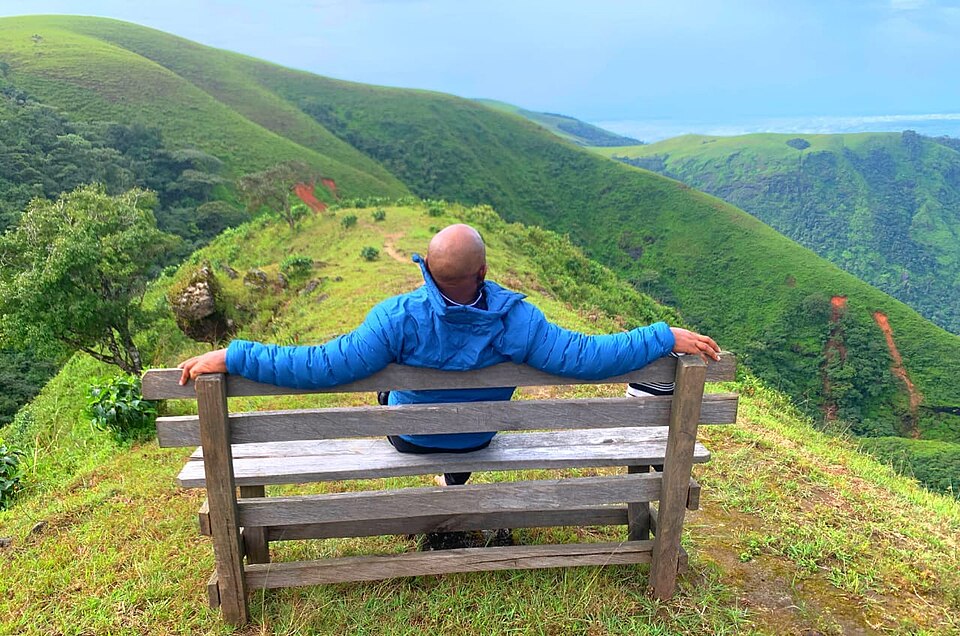
Obudu Mountain Range, Cross River State. Photo: Naijanproudaz / Wikimedia Commons, CC BY-SA 4.0.
Yes, but I would come with an open mind and a reasonably good plan.
You may need to plan more carefully than you would for some other holidays. You also need to think harder about transport, security, and timing. But none of that makes the experience any less fantastic.
Nigeria has enormous cities and quiet landscapes. It has contemporary culture sitting beside traditions that are hundreds of years old. It has food that deserves far more international attention than it gets, and it has places that make very little sense on the outside until you experience them for yourself.
You can spend one day in the middle of Lagos’s energy and another surrounded by a completely different landscape. You can eat something you’ve never tried, discover a place that was not on your original plan, meet people who tell you stories you did not expect to hear, and come home with a much more complicated understanding of the country than the one you arrived with.
That is probably my favourite kind of travel. I do not want to return from a trip feeling as though I have simply completed a checklist. I want to feel as though I have actually been somewhere. And that is what you get from visiting Nigeria.
Come prepared.