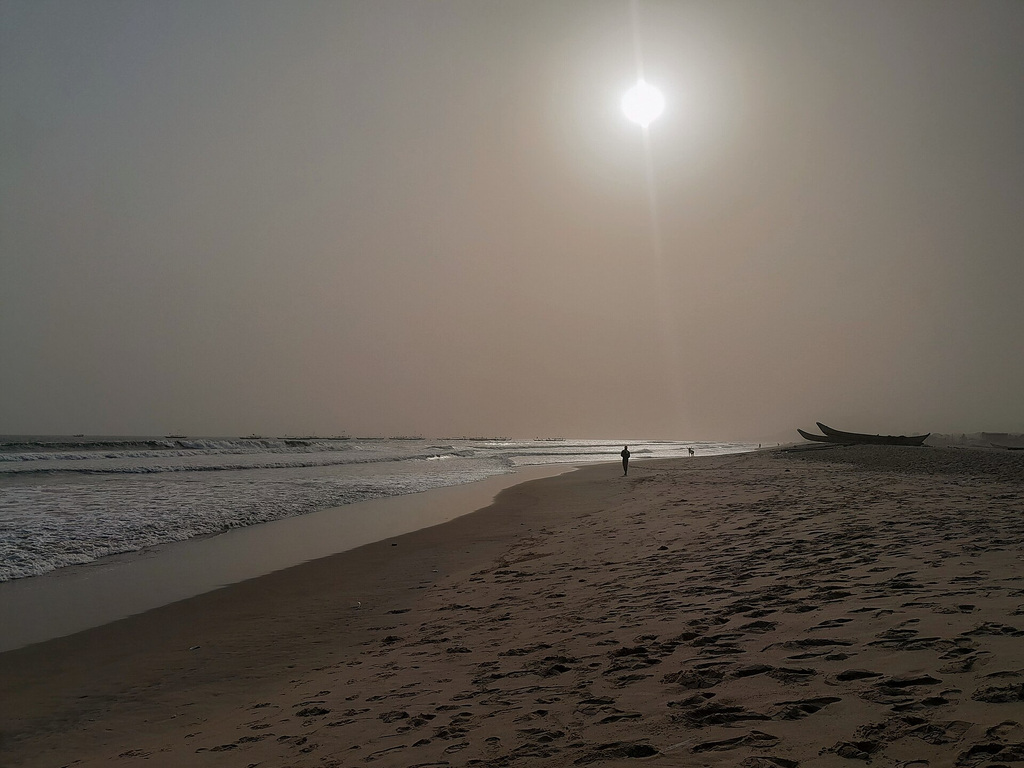
“Bojo Beach 01” — Photo by Pearl Akofa, licensed under CC BY-SA 4.0.
Accra is a city that rewards curiosity. You can spend the morning learning about Ghana’s independence, the afternoon browsing a market for handwoven textiles, and the evening listening to live highlife or jazz. The coastline adds another dimension, while neighbourhoods such as Osu, Jamestown, Cantonments and East Legon each have their own food, art and social scenes.
The best things to do in Accra therefore go well beyond visiting a handful of monuments. The city has enough history, culture, food, music, beaches and outdoor experiences to fill several days, and a little planning helps you group them sensibly across the city. These are some of the most worthwhile Accra activities to include, with practical details where current information is available.
1. Visit the Kwame Nkrumah Memorial Park
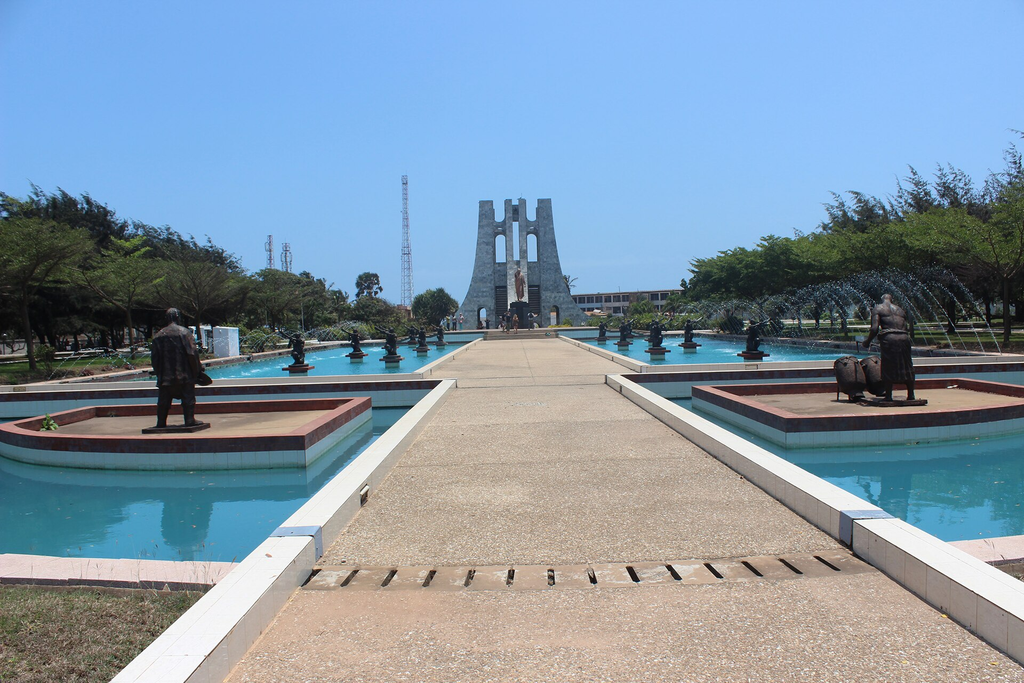
“Kwame Nkrumah Memorial Park & Mausoleum 4.jpg” — Photo by Fquasie, licensed under CC BY-SA 4.0.
Begin with one of Accra’s most important historical sites. The Kwame Nkrumah Memorial Park and Mausoleum commemorates Ghana’s first president and one of the central figures in the country’s independence movement and Pan-African politics.
The park contains the mausoleum where Nkrumah and his wife Fathia are buried, a museum, memorial gardens and spaces dedicated to his political life. The official visitor information currently lists opening hours of 9am to 7pm from Monday to Saturday and 10am to 7pm on Sundays. Non-Ghanaian adult admission is currently GH¢100.
Allow at least an hour for the museum and grounds. This is one of the places to visit in Accra where knowing a little of Ghana’s history beforehand makes the experience considerably richer.
2. Stand at Independence Square and the Black Star Gate
Independence Square, also called Black Star Square, is one of Accra’s most recognisable civic spaces. It was commissioned after Ghana gained independence in 1957 and remains a venue for major national celebrations, military parades, festivals and public gatherings.
The square contains the Independence Arch, the Black Star Gate and the Memorial of the Unknown Soldier. The Black Star Gate carries the symbols and dates associated with Ghana’s independence and sits close to the coastline, with the Accra Sports Stadium and other major landmarks nearby.
There is no need to spend hours here. Combine it with the Kwame Nkrumah Memorial Park, Osu and the National Museum for a strong central-Accra sightseeing day.
3. Explore the National Museum of Ghana
The National Museum on Barnes Road in Adabraka is the place to go for a broader introduction to Ghanaian history, archaeology, art and culture. Its collections cover material from different periods of Ghana’s history, including traditional art, textiles, archaeological objects and historical artefacts.
The Ghana Museums and Monuments Board currently lists the museum as open daily from 9am to 4:30pm. Its published admission schedule lists GH¢20 for Ghanaian adults and GH¢80 for non-Ghanaian adults, although the board notes that these rates were reviewed in July 2023.
This is one of the Accra attractions I would put early in a trip, since it gives useful context for many of the other places you will encounter around the city.
4. Tour the W.E.B. Du Bois Memorial Centre
In Cantonments, the former home of American scholar and Pan-Africanist W.E.B. Du Bois has been preserved as a memorial centre containing his residence, museum, mausoleum and grounds. Du Bois moved to Ghana in 1961 after an invitation from Kwame Nkrumah and spent his final years there.
The centre offers guided tours through the house, museum, mausoleum and grounds, and its location also makes it easy to pair with other Cantonments attractions. Current visitor information lists weekday opening from 9am to 4pm and Saturday opening from 10am to 3pm. For visitors interested in Pan-African history, this is a more personal experience than simply seeing another monument so key into this one.
5. Walk Through Jamestown
Jamestown is one of Accra’s oldest districts and one of the most interesting parts of the city for visitors who want to see its historic coastal communities. Old buildings, fishing activity, narrow streets and the relationship between the neighbourhood and the Atlantic give the area a distinctly different character from Airport City or Cantonments.
The Jamestown Lighthouse is the obvious landmark, standing about 24 metres above sea level and offering views towards James Fort, Bukom and Ussher Fort. Go with a local guide if you want the deeper historical stories of the neighbourhood and its communities. A guided walk can turn the architecture and streets into a much more meaningful experience.
6. See Osu Castle and Learn Its Complicated History
Christiansborg Castle, commonly called Osu Castle, sits on the Atlantic coast of Osu and has a long history involving Danish, Norwegian, Portuguese, Akwamu and British control before Ghana’s independence. It later served as a seat of government for much of Ghana’s post-colonial history before that function moved to Jubilee House.
Access is more restricted than at many other attractions and should be checked before travelling. Current information from Visit Ghana lists Friday access from 9am to 4pm, with occasional closures due to the site’s continuing security status.
7. Shop for Crafts at the Arts Centre
The Centre for National Culture, commonly known as the Arts Centre, is beside the Kwame Nkrumah Memorial Park and contains a large concentration of stalls selling Ghanaian arts, crafts, clothing and textiles. The centre also has an auditorium, gallery, open-air stage and programmes around traditional and contemporary cultural practice.
Kente, beadwork, carvings, paintings and woven products are among the types of items you can find. Haggling is part of the shopping experience, and the visitor guide from Ghana Tourism specifically notes that patience is useful when negotiating prices. It is a good place to shop for souvenirs with a direct connection to Ghanaian craftsmanship.
8. Experience Makola Market
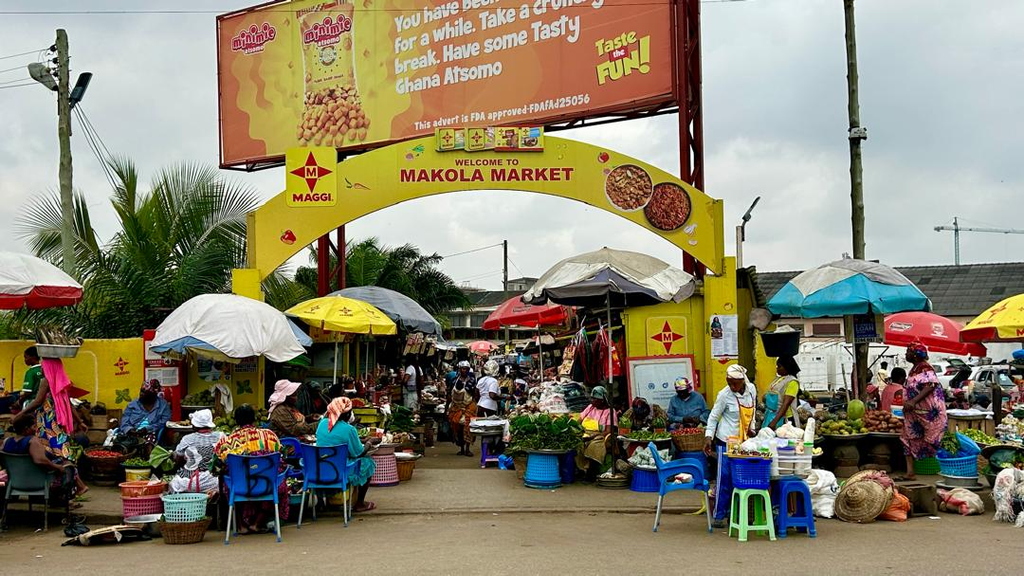
“Makola Market, Accra.jpg” — Photo by Nii Adama Armah, licensed under CC BY-SA 4.0.
Makola Market is one of the major commercial markets of Accra and stretches along the Kojo Thompson Road area. The scale and variety are part of the attraction: you can find food, clothing, footwear, household goods, fabrics and countless everyday items moving through the market every day.
This is less of a conventional sightseeing attraction and more an opportunity to see Accra functioning as a major trading city. Visit Ghana lists Makola among the region’s principal visitor sites and describes it as one of the country’s most famous markets. If you enjoy markets, set aside enough time to explore at a relaxed pace and combine the visit with the Arts Centre and central Accra’s historic landmarks.
9. Spend an Evening Along Oxford Street in Osu
Osu is one of the city’s main centres for dining and entertainment, and Oxford Street is its best-known commercial corridor. The wider district has restaurants, cafés, shops, bars and nightlife venues, making it one of the easiest areas in Accra for visitors who want several options within one neighbourhood.
The appeal is particularly strong in the late afternoon and evening, when restaurants and bars begin to fill and the district becomes more active. Current local visitor information continues to describe Osu as a major centre for dining and nightlife. Rather than making the evening about one particular venue, you can move between dinner, a drink, music and late-night browsing in the same general area.
10. Eat Your Way Through Ghanaian Cuisine
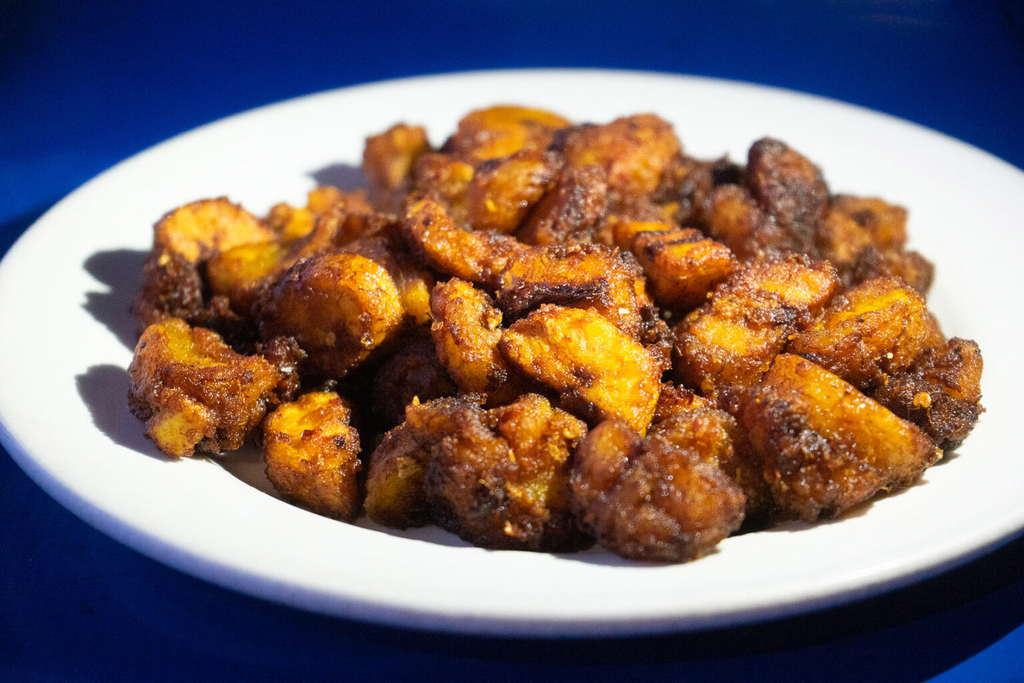
“Kelewele (Ghana Food).jpg” — Photo by Danieljatuat, licensed under CC BY-SA 4.0.
A trip to Accra should include more than one Ghanaian meal. Try waakye, jollof rice, banku and tilapia, fufu with soup, red-red, kelewele, fried yam, tchep and grilled meats, then compare the different ways restaurants and local eateries prepare familiar dishes.
Accra has everything from traditional chop bars to contemporary restaurants serving Ghanaian ingredients in more refined settings. The city is also a good place to try regional dishes from other parts of Ghana, so your food experience does not need to stop with the most internationally recognised dishes.
For a more detailed restaurant-by-restaurant guide, our Accra restaurants guide will cover the city’s dining scene separately.
11. Take a Ghanaian Cooking Class
A cooking class is one of the more hands-on ways to understand Ghanaian food. Current Accra experiences include classes in which visitors shop for ingredients at a local market, prepare several Ghanaian dishes and then sit down to eat the meal they have made. Current 2026 listings include classes covering dishes such as jollof rice, banku, tilapia, groundnut soup, red-red and kelewele.
There are also smaller cultural programmes offering traditional cooking alongside craft and cultural activities, with current advertised classes from around GH¢250 depending on the provider and experience. This is particularly good for visitors who want to take an actual skill home from the trip.
12. Visit Nubuke Foundation in East Legon
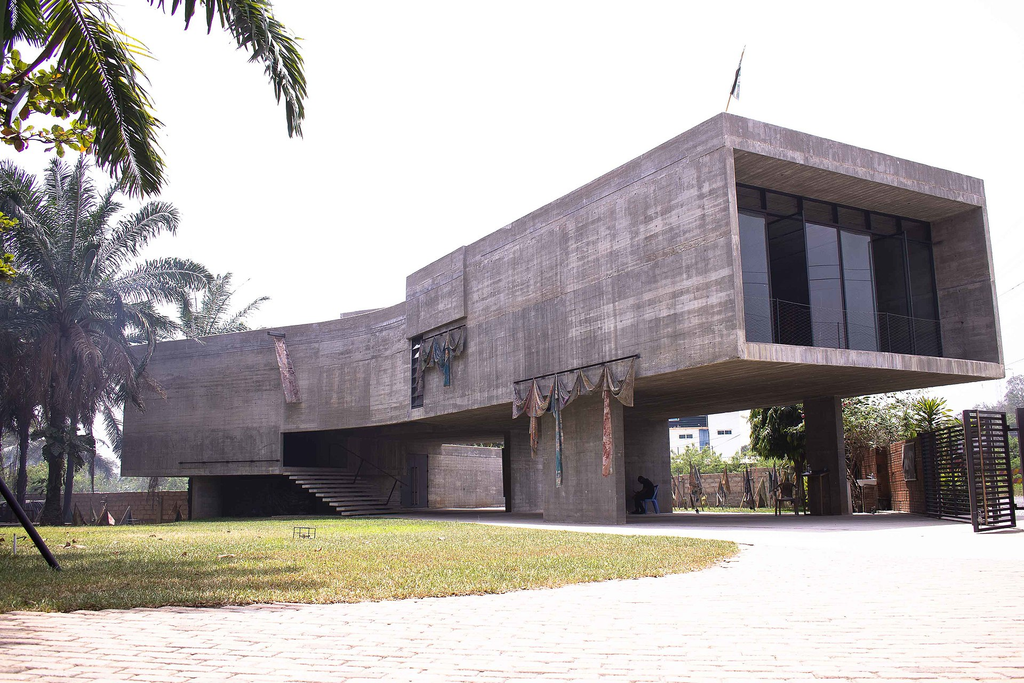
“Nubuke Building.jpg” — Photo by Amuzujoe, licensed under CC BY-SA 4.0.
Nubuke Foundation is one of Accra’s leading contemporary art and cultural institutions. Its East Legon space hosts exhibitions, talks, screenings, performances, workshops and other programmes focused on Ghanaian and African creative practice.
The foundation currently opens Tuesday to Saturday from 10am to 5pm and does not charge general admission. Its workshops also offer hands-on sessions in areas such as kente weaving, batik, painting, clay work and beadmaking.
Check its calendar before visiting since exhibitions rotate throughout the year. The changing programme is part of what makes Nubuke worth returning to.
13. Spend Time at the Arts and Culture Programme of Alliance Française Accra
Alliance Française Accra in Roman Ridge has developed into an active cultural venue with language programmes, film screenings, music, theatre, exhibitions, festivals and other events. Its 2026 calendar has included jazz and world music, fashion, film and cultural programmes, while the centre’s current calendar continues to list performances and cultural events.
This is one of the more useful Accra activities for travellers who want to see what is happening in the city’s contemporary cultural scene rather than only visiting historical sites. Check the event calendar close to your visit, since the programme changes constantly.
14. Visit the Legon Botanical Gardens
Legon Botanical Gardens, near the University of Ghana, is a good option when you want a wide range of outdoor activity. The grounds offer a canopy walkway, high ropes courses, zipline, children’s playground, canoe rides, bird watching, cycling and fishing.
Current published rates include GH¢25 for adults using the canopy walkway, GH¢40 for the two-route high ropes course and GH¢10 for canoe rides on Fridays, Saturdays, Sundays and public holidays. The published opening hours are 8am–5pm on weekdays and 8am–6pm on weekends and public holidays, although some days have reduced facility operation. This is a particularly useful choice for families and active travellers.
15. Visit Accra Zoo
Accra Zoo is located in Achimota Forest and offers a smaller-scale wildlife experience inside the capital. The zoo is part of Ghana’s Wildlife Division and has been incorporating conservation and educational activities alongside its animal exhibits.
Current 2026 visitor information lists daily opening, with closing times varying slightly through the week, generally between 4pm and 5pm. Recent programme information has also included school conservation events and cultural performances.
It is not a substitute for visiting Ghana’s major wildlife reserves, but it can make sense for families or visitors who want a short wildlife outing inside Accra.
16. Spend a Beach Day at Labadi Beach
Labadi Beach is one of Accra’s best-known stretches of coastline and has long been popular with both locals and visitors. The wider area combines the Atlantic beach with restaurants, music, beach activities and the social atmosphere that becomes especially noticeable on weekends.
Visit Ghana lists Labadi among the principal beaches around the city. You can swim, eat, listen to music and watch the shoreline change as the day moves into evening. For a broader comparison of the city’s coastal options, see our Accra beaches guide.
17. Spend the Day at Bojo Beach Resort
Bojo Beach Resort sits near the Densu River Delta, a Ramsar site and the Atlantic Ocean, giving it a combination of river and coastal scenery that feels different from central Accra’s beaches. The resort offers a more organised day-out setting and can work well for visitors who want a beach excursion with additional activities and facilities.
The location west of central Accra means it is more suitable as a planned half-day or full-day outing than something to squeeze between other city attractions. It is also useful for families and groups who want a coastal experience that includes a destination facility rather than relying entirely on a public beach.
18. Spend an Evening Listening to Live Music
Live music is an important part of Accra’s entertainment culture, and you do not have to wait for a major festival to experience it. Places such as Republic Bar in Osu and +233 Jazz Bar and Grill in North Ridge have active programmes covering live bands, DJs, highlife, jazz and other forms of contemporary Ghanaian music.
Republic currently advertises weekly house music, live performances, karaoke, quiz nights and weekend DJ programmes, while +233’s September 2026 schedule includes several live bands during the week. Check the venue’s programme before heading out.
19. Explore Contemporary Ghanaian Art at Nubuke and Other Galleries
Accra’s gallery scene deserves more attention than a single museum visit. Alongside Nubuke Foundation, the city has private galleries and creative spaces where exhibitions change throughout the year.
Nubuke’s programming includes exhibitions, film screenings, artist talks, performances and workshops, and the foundation also operates Nubuke+, a cultural research and experimental programming space.
If you are visiting for several days, check what is showing during your stay. A temporary exhibition can make an ordinary afternoon in East Legon into one of the more memorable places to visit in Accra.
20. Spend a Day in Shai Hills Resource Reserve
About an hour’s drive from Accra, Shai Hills Resource Reserve provides one of the easiest wildlife and outdoor escapes from the capital. The reserve covers roughly 51 square kilometres and contains savanna landscapes, rocky hills, caves and wildlife.
The reserve is home to mammals including baboons, green monkeys and other species, alongside substantial birdlife. Visitors can also explore the Se Yo and Obonu Tem caves and traces of the former Shai community. This works best as an organised day trip, particularly if you want a combination of wildlife, landscape and history.
21. Take a Day Trip to Aburi Botanical Gardens
Aburi is in Ghana’s Eastern Region, roughly 28 kilometres from Accra, making it one of the more convenient escapes from the capital. Its botanical gardens date to 1890 and contain tropical plants, mature trees, birds and butterflies across a cool, elevated landscape on the Akwapim hills.
The gardens are a strong contrast to the built-up coastal city and are well suited to a slower day of walking, photography and lunch. You can also combine Aburi with other attractions in the Akwapim area if you are travelling by private vehicle. For visitors with a free day, this is one of the better Accra activities outside the central city.
22. Visit Tema for a Different Side of Greater Accra
Accra does not exist in isolation from the larger metropolitan area, and Tema gives you a useful look at another side of Greater Accra. The planned port city lies about 25 kilometres east of Accra and developed around what was once a small fishing settlement.
Tema is known for its harbour, industrial importance and modern urban layout, making it a different experience from historic Jamestown or the social districts around Osu. Visit Ghana includes Tema among the principal places to explore in the Greater Accra Region.
It is particularly interesting for visitors who enjoy urban history, architecture, ports and the economic story behind a city.
How to Plan Your Accra Activities
You will get more from these things to do in Accra by grouping nearby attractions together. A central Accra day can combine the National Museum, Kwame Nkrumah Memorial Park, Independence Square and the Arts Centre. Another day can focus on Jamestown, Osu, food and an evening of music, while East Legon can combine Nubuke Foundation with Legon Botanical Gardens.
Leave longer excursions such as Shai Hills and Aburi for separate days. The same applies to Bojo Beach and other coastal outings farther from central Accra.
The city also has an active events calendar, so check what is happening during your dates. Alliance Française continues to host music, theatre, film and cultural events, Nubuke Foundation maintains a rotating exhibition programme, and the National Theatre publishes its own schedule of performances and cultural programmes.
How Many Days Do You Need in Accra?
Three full days is enough for a good introduction, especially if you concentrate on central Accra, Osu, one beach and one major cultural experience. Five days gives you enough room for East Legon, Jamestown, additional food and nightlife, plus a day trip.
A longer stay lets you explore more slowly and follow the city’s cultural calendar. Accra is particularly rewarding for visitors who leave room for an unexpected gallery exhibition, a live band, a market stop or a restaurant discovered through conversation, just opening up to it.
Final Thoughts
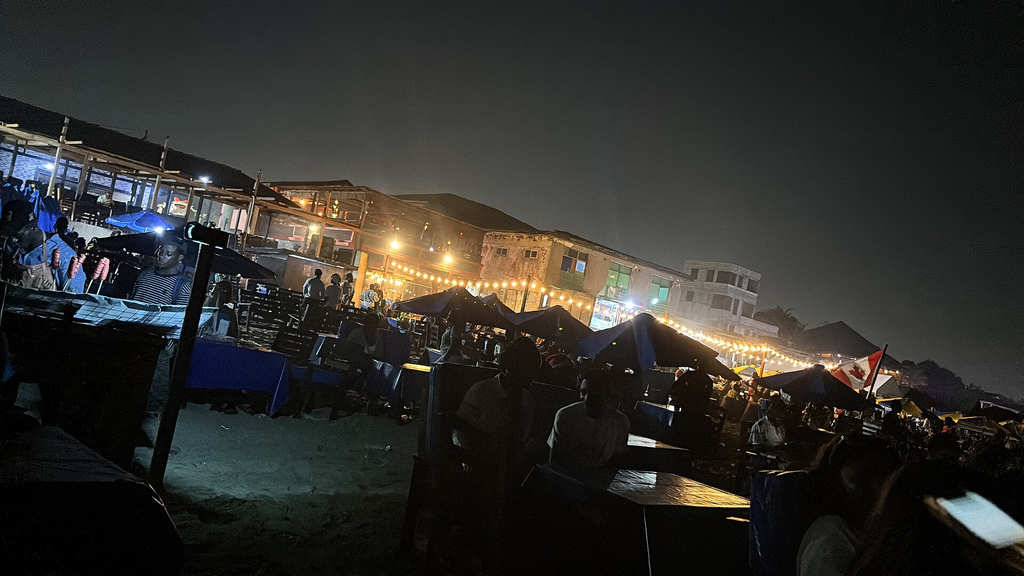
“Labadi beach-1.jpg” — Photo by Cca Raheem, licensed under CC BY 4.0.
The best things to do in Accra show just how many sides the city contains. Its history is visible at Independence Square, the Kwame Nkrumah Memorial Park, Osu Castle and Jamestown, while its current creative life appears in galleries, workshops, music venues and cultural centres. Food, markets and beaches add another layer, and the surrounding region gives you easy access to gardens, wildlife reserves and coastal escapes.
What makes Accra particularly enjoyable is the ability to move between these experiences in the same trip. You can spend a morning inside a museum, have lunch at a local restaurant, shop for Ghanaian textiles, watch the sunset on the coast and finish the night with live music.
For more context before your trip, continue with our Accra travel guide, then explore our dedicated guides to Accra nightlife and Accra restaurants.
Have a safe trip!