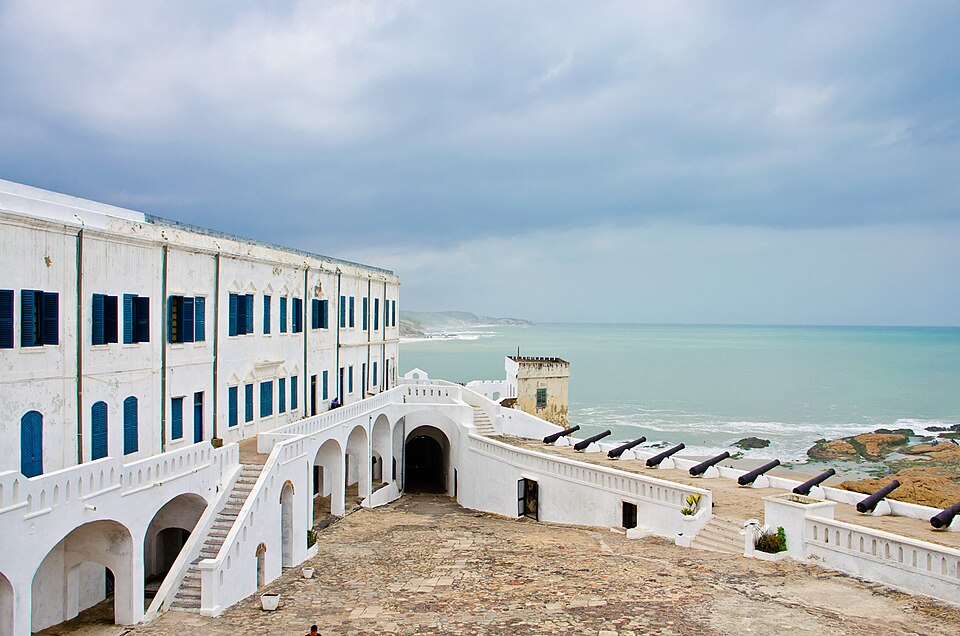
Cape Coast Castle’s main courtyard and the Atlantic Ocean / Wikimedia Commons
There are some countries you can understand fairly quickly after you arrive. Ghana is not really one of them, and I mean that in the best possible way. From the beaches in Accra to the historical touches of Cape Coast, the Asante heritage in Kumasi, or the forest vibe in Kakum, there is just so much to experience. That variety is what makes Ghana such a rewarding place to travel to.
So, rather than giving you a generic list of “top attractions,” this Ghana travel guide is meant to help you understand how I would actually approach a first visit, where I would go, what I would eat, how I would move around, when I would come, what kind of budget I would prepare for, and how I would put the country together into a trip that feels enjoyable.
Most importantly, I want you to leave with the feeling that Ghana is somewhere you genuinely want to experience. Because it is. Let’s explore!
First, what should you expect from Ghana?
Ghana does not demand a particular kind of traveller. You can come for history, food, beaches, music, nightlife, art, nature, culture, business, relaxation, or simply the pleasure of being somewhere new, and there is enough here to build the trip around almost any of those things.
The country has a relatively compact feel compared with some of its much larger West African neighbours, but there is still a remarkable amount packed into it. You have the Atlantic coast, the forest belt, Ashanti country, the Volta region, northern savannah landscapes, and cities that each have their own personality.
People will greet you warmly and teach you their new words, and sooner or later somebody will tell you that you have to try a particular food because, according to them, you have not really been to Ghana until you have eaten in it.
There is also a wonderful mixture of old and new. Accra has modern restaurants, creative studios, boutique hotels, and a growing arts and nightlife scene, while historic neighbourhoods preserve much older stories.
Kumasi connects you to Asante history and craftsmanship. Along the coast, forts and castles tell the story of European trade and the transatlantic slave trade, while towns, fishing communities, and beaches continue their own lives around them. Further inland and north, the landscape changes again.
Ghana’s two UNESCO World Heritage properties are the Forts and Castles of Ghana, a collection stretching along the coast, and the Asante Traditional Buildings, which preserve rare examples of traditional Asante architecture. UNESCO also lists places such as Mole National Park and Kakum National Park on Ghana’s Tentative List for future World Heritage consideration.
That mix of living culture and physical history is one of the reasons I think Ghana tourism works so well for first-time visitors. You are not just moving between attractions, but you are moving through different parts of a country with a very distinct identity.
When is the best time to visit Ghana?
Ghana is close to the equator, so you should expect warmth, but the climate changes as you move from the coast to the forest zone and then into the drier northern part of the country.
Southern Ghana experiences a broadly bimodal rainfall pattern, while northern Ghana has a single main rainy season. Ghana’s dry season is generally associated with the Harmattan between December and February, when dry north-easterly winds can bring dust and hazier skies. Temperatures are typically highest around March, while August tends to be cooler in many areas.
For a first-time holiday, the December-to-March period is popular because you are getting into the country’s drier season, and December in particular has a major social and cultural calendar. Accra becomes especially lively around the Christmas and New Year period, with concerts, parties, restaurants, beach events, and visitors returning from the diaspora.
There is something to be said for travelling outside that peak period too. Hotels can be easier to book, some experiences feel less crowded, and you may find that the trip itself is a little more relaxed.
The rainy season should not put you off either. Rain can arrive suddenly, particularly in the south, but it does not mean that every day becomes a washout. In fact, the greener landscapes around places such as Kakum and parts of the Volta Region can be beautiful at that time of year.
Where should you go in Ghana?
While the usual Accra-Cape Coast-Kumasi triangle are the three excellent starting points, I would also keep other places on my wider map. These are areas such as Elmina, Busua, Axim, Takoradi, Ada Foah, Ho, Wli, Akosombo, Keta, Tamale, Mole, Paga, Bolgatanga, Aburi, and the Volta Region.
Accra
Accra is where I would begin because it gives you the easiest introduction to contemporary Ghana. The city is a mixture of business districts, old neighbourhoods, beaches, creative spaces, markets, restaurants, galleries, cafés, and nightlife, and it rewards visitors who are willing to move beyond the obvious tourist stops.
Spend time around Osu, explore Jamestown, visit the Kwame Nkrumah Memorial Park, see some contemporary art, sit down for proper Ghanaian food, and leave an evening open for whatever the city has going on because there’ll definitely be a rewarding experience.
The Kwame Nkrumah Memorial Park was Ghana’s most visited tourist attraction in the Ghana Tourism Authority’s 2024 tourism report, with more than 333,000 recorded visits. Other highly visited attractions included Kakum National Park, Manhyia Palace, Cape Coast Castle, Elmina Castle, Shai Hills Resource Reserve, and Aburi Botanical Gardens. That gives you an idea of how broad the country’s attraction base already is.
For the city itself, I would keep the Accra travel guide as a separate planning article because there is far too much to fit into a national overview like this.
Cape Coast
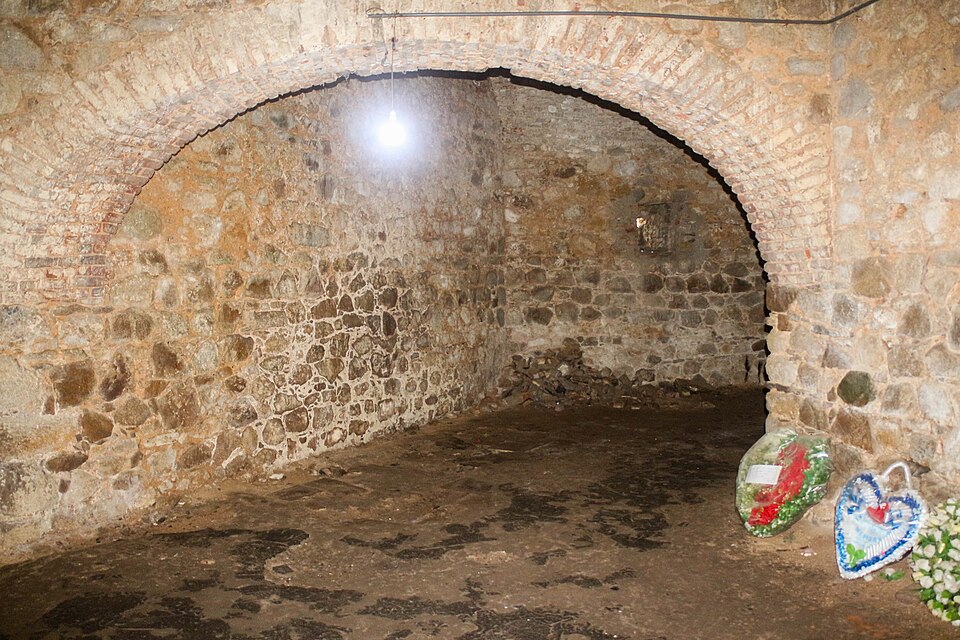
Cape Coast Castle, Central Region. Photo: Esthee2010 / Wikimedia Commons
Cape Coast is where your Ghana trip can become much more reflective. The city is famous for Cape Coast Castle, one of the historic castles that form part of Ghana’s UNESCO-listed Forts and Castles property. The broader heritage property stretches along roughly 500 kilometres of coastline and includes three castles and numerous forts, reflecting centuries of trade between African and European merchants and the later history of the transatlantic slave trade.
Cape Coast is also a good base for exploring nearby attractions, especially Kakum National Park. A dedicated Cape Coast travel guide can go deeper into how I would structure the city, the castle, and the surrounding area.
Elmina
Elmina deserves to be treated as its own destination even though many visitors combine it with Cape Coast. The town is home to St. George’s Castle, commonly called Elmina Castle, which was built by the Portuguese in 1482 and became an important centre in the changing commercial and political history of the Gold Coast. UNESCO describes it as one of the oldest European-built structures outside Europe and one component of Ghana’s World Heritage collection of forts and castles.
What I particularly like about Elmina is the connection between the castle and the town around it. You have fishing boats, local life, and the historic structure occupying the same landscape, which helps prevent the heritage experience from feeling disconnected from the place itself.
Kumasi
If you want to understand the cultural and historical heart of the Ashanti region, Kumasi belongs on your itinerary. This is the place to explore the legacy of the Asante Kingdom, visit Manhyia Palace, spend time in markets and craft centres, and learn about traditional symbols, goldwork, textiles, and wood carving.
The Asante Traditional Buildings near Kumasi are a UNESCO World Heritage property and preserve the remains of a distinctive architectural tradition associated with the Asante civilization. Their decorative motifs include traditional Adinkra symbols, many of which carry philosophical and symbolic meanings rather than functioning simply as decoration.
Kumasi is also a city where food becomes part of the experience. You will find fufu and soup, ampesi, kontomire, kelewele, grilled meats, and plenty of everyday Ghanaian meals that give you a much better sense of the region than a tourist buffet ever could.
The Volta Region
The Volta Region is one of the places I would encourage a first-time visitor to consider if there is enough time. Ho gives you a comfortable base, while places such as Wli, Hohoe, Akosombo, Kpando, and the Lake Volta area open up a completely different side of Ghana.
Wli Falls is particularly well known, while the wider region offers mountains, waterfalls, forests, river scenery, and communities with distinctive traditions.
Lake Volta also changes the rhythm of a Ghana trip. Instead of city traffic and busy commercial streets, you begin to think in terms of water, hills, villages, and long stretches of green landscape.
Ada Foah
Ada is an easy option for travellers who want a coastal escape without going too far from Accra. The area sits where the Volta River approaches the Atlantic, creating a landscape of beaches, river channels, lagoons, fishing communities, and resorts. Ada Tourism describes Ada Foah and Big Ada as destinations with beaches, ecotourism opportunities, resorts, mangroves, marine turtles, and river-based experiences. For a weekend-style extension from Accra, this is exactly the sort of place I would look at.
Busua and Ghana’s western coast
Further west, the coastline changes again. Busua is one of the better-known beach destinations, and the western coast around Axim, Takoradi, and Beyin offers a quieter experience than Accra.
Tamale and northern Ghana
Northern Ghana deserves more attention than it usually gets in first-time travel plans. Tamale can be your gateway to northern culture and landscapes, while Mole National Park gives you one of the country’s best-known wildlife experiences.
Mole is particularly associated with elephants and other wildlife, and the park forms part of the country’s tourism story even though it remains on UNESCO’s Tentative List rather than the main World Heritage List. Other northern destinations, including Paga and the communities around Bolgatanga, can also add another dimension to a longer Ghana itinerary.
Ghana’s beaches are worth making time for
Around Accra, you will hear names such as Labadi Beach, Kokrobite, and the beaches around Teshie and the wider coastal strip. Further along the coast, you have Cape Coast, Elmina, Busua, Axim, and other beach communities. The experiences are not all the same.
Some beaches are lively and social, some are attached to resorts, and some are much more relaxed. That means I would choose based on the kind of beach day I actually want. If I want somewhere convenient from Accra, I would stay closer to the city. If I want a slower trip where the beach is part of the reason I came, I would look farther west.
And perhaps the nicest part is that you do not need to choose between culture and the coast. A single Ghana trip can comfortably contain both.
Getting around Ghana
Transport is one of the things I would think about before building a Ghana itinerary, because your choice can change the pace of the entire trip. For movement within cities, you may encounter taxis, ride-hailing services, and the ubiquitous trotro, the locally used term for shared minibuses that form an important part of everyday public transport.
A trotro is one of those experiences that can teach you a lot about how a city moves, although first-time visitors who do not know the routes may find app-based taxis easier. For intercity travel, buses and coaches connect major towns, while domestic flights can save considerable time when you are covering larger distances. Ghana’s airport network includes Kotoka International Airport in Accra as well as airports in Kumasi, Tamale, and other locations. Ghana Airports Company Limited manages Kotoka International Airport and several regional airports.
Rail can also be useful on particular routes, although I would not build an entire first-trip itinerary around trains. Ghana Railway Company says passenger services operate on the southern railway network, while the Ghana Railway Development Authority publishes passenger schedules for some current services, including the Accra-Tema corridor.
For a multi-city holiday, I generally prefer a combination of flights, reputable road transport, and local rides rather than trying to force one transport method across the whole country.
Ghanaian food: come hungry
I would have a difficult time writing a Ghana travel article without giving food a serious section because eating well is one of the easiest ways to make your trip feel genuinely connected to the country. Start with jollof, obviously, but do not stop there. Try waakye, usually served with a mixture of beans and rice alongside things such as spaghetti, boiled eggs, meat, fish, or shito. Try banku with grilled tilapia and pepper sauce, or kenkey with fish and hot pepper if you want to experience another classic combination.
Then there is kelewele, spicy fried plantain that is particularly satisfying as a snack; red-red, which combines beans and fried plantain; and fufu served with soup. You may also come across ampesi, kontomire, light soup, groundnut soup, and regional variations that make it difficult to settle on one definitive Ghanaian menu.
And please learn the word chop. It is used in Ghanaian English and West African speech in relation to eating, so a chop bar is essentially a local eatery serving everyday food. These places are often much more useful for understanding ordinary Ghanaian eating culture than expensive restaurants alone.
At the same time, Accra has developed a strong contemporary restaurant scene, so you can easily move from a casual chop bar at lunchtime to a beautifully designed restaurant in the evening. That contrast is part of the fun.
What is Ghanaian hospitality like?
One of the words you will hear early is “Akwaaba,” meaning “welcome.” And hospitality really is an important part of the Ghanaian experience. Warmth, greetings, community, and social interaction are noticeable parts of everyday life. You should greet people, especially when entering smaller establishments or speaking to older people.
Ghana is also culturally diverse, so the customs you encounter in Accra will not necessarily be identical to those in Kumasi or the north. You’ll encounter English widely, alongside languages such as Twi, Ga, Ewe, Dagbani, and others. Learning a few local expressions is always appreciated, even if your pronunciation earns you a laugh. Personally, I think that is part of the fun.
Ghanaian festivals and events
Timing your visit around a festival can completely change your experience. Accra’s Homowo season, for example, connects the city with Ga heritage and traditions, while festivals throughout the country reflect the histories and identities of different communities.
You may also encounter PANAFEST and Emancipation commemorations around Cape Coast and the Central Region, alongside music, arts, and cultural events in Accra. The Ghana Tourism Authority has continued to promote PANAFEST and Emancipation celebrations as important parts of the country’s heritage and Pan-African tourism story.
How much money do you need for Ghana?
Ghana uses the Ghanaian cedi (GH₵), which replaced the Ghanaian pound in 1965. The Bank of Ghana is the country’s central bank and publishes official exchange-rate information.
Your budget will depend heavily on accommodation and how often you choose upscale restaurants, private transportation, and organised experiences. A budget-conscious traveller can stay in simpler accommodation, eat largely local food, use trotros and shared transport where practical, and choose attractions that do not cost much.
A comfortable mid-range traveller might stay in a good hotel, use ride-hailing regularly, eat at a mixture of local restaurants and contemporary establishments, and spend more freely on tours and experiences.
Luxury travellers can obviously spend much more, particularly in Accra, where high-end hotels, restaurants, private drivers and premium experiences can quickly add up.
I would also avoid converting your entire budget into an exact daily number before you go because prices naturally vary by destination, season and style of travel. Instead, decide where you want to spend your money. For me, I would rather save a little on accommodation and spend it on a memorable experience.
Where should you stay?
That depends on what you want from the trip. In Accra, neighbourhood choice matters because the city is spread out enough for location to affect your day. Osu works well for people who want restaurants, cafés, shopping and nightlife nearby, while areas such as Cantonments, Labone, Airport Residential and parts of East Legon offer different combinations of hotels, restaurants and residential comfort.
In Cape Coast, I would prioritise proximity to the attractions you actually want to see, especially if the castle and Kakum are central to your trip. In Kumasi, staying somewhere reasonably central makes it easier to combine Manhyia Palace, markets and cultural attractions.
For the coast, your decision should be more about atmosphere. Think about the experience you want to wake up to. A detailed ‘where to stay in Ghana’ article would eventually be useful for the site because accommodation decisions change considerably from one destination to another.
What should you know before entering Ghana?
Visa and entry rules depend on your nationality, and Ghana now operates an official electronic visa system through the Ghana Immigration Service.
The official Ghana e-Visa portal states that tourist applicants may need travel details, proof of accommodation, a valid passport and supporting documents, while a passport should generally be valid for at least six months beyond the intended stay. It also states that yellow-fever vaccination documentation is required at the port of entry.
The portal also provides an eligibility checker by nationality, which is useful because not every traveller follows the same process. Rather than trying to put every nationality’s rule into one article, I would use the dedicated Ghana travel requirements page on AdaVentours for the detailed planning information.
What about safety in Ghana?
Ghana is not somewhere I would describe as a place you need to spend your entire holiday worrying about, although sensible city-travel habits still matter.
For an ordinary visitor, behaving much as you would in any unfamiliar city is absolutely fine. Look after your belongings, use reputable transport, be sensible about how much cash you display and pay attention to where you are walking, particularly at night.
A seven-day Ghana itinerary
With a week, I would consider adding Cape Coast.
- Day 1: Arrive in Accra and settle in.
- Day 2: Explore Accra’s history, food and creative scene.
- Day 3: Spend the day between beaches, markets, galleries and neighbourhoods.
- Day 4: Travel to Cape Coast and explore the city.
- Day 5: Visit Cape Coast Castle and continue to Elmina, with enough time to actually absorb the history.
- Day 6: Visit Kakum National Park before returning or continuing your journey.
- Day 7: Return to Accra and depart.
That is a fairly classic Ghana itinerary, but it works because the destinations naturally connect.
Ghana at a glance
| What you want | Where I would look first |
| City life and nightlife | Accra |
| History and heritage | Cape Coast, Elmina, Accra |
| Asante culture | Kumasi |
| Wildlife | Mole National Park |
| Forest and canopy walks | Kakum National Park |
| Mountains and waterfalls | Volta Region |
| Beach escape | Busua, Ada Foah, Cape Coast, western coast |
| Pan-African heritage | Accra and Cape Coast |
| Food | Everywhere, but especially local chop bars and markets |
| Shopping and crafts | Accra, Kumasi and regional craft centres |
| First trip | Accra + Cape Coast/Elmina |
| Longer trip | Accra + Cape Coast + Kumasi + Volta or northern Ghana |
My final Ghana travel tips
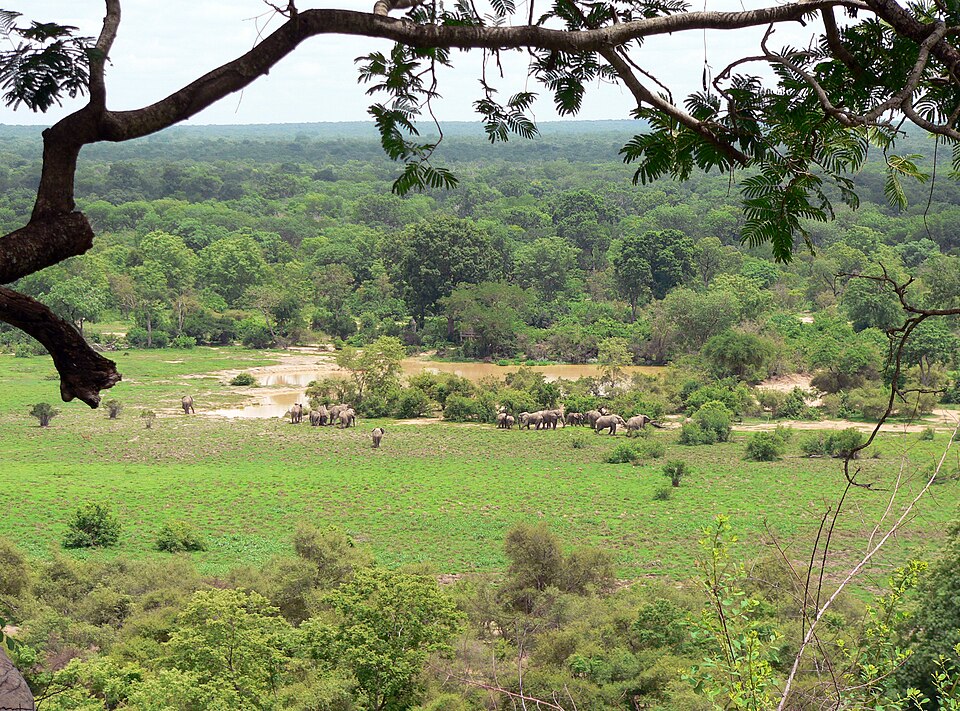
Elephants at Mole National Park, Northern Ghana. Photo: Stig Nygaard / Wikimedia Commons, CC BY 2.0.
Of all my Ghana travel tips, choose what genuinely interests you, build the journey around that, and let the rest become a reason to return. Once you have had your first proper chop, learnt some new words, eaten kelewele when you weren’t particularly hungry, watched the sun disappear over the coast and heard someone greet you with Akwaaba, you may find yourself doing something I completely understand. You start thinking about when you can come back.